How to Choose a Supermarket POS System
Jul 08, 2026
Running a successful supermarket requires more than simply stocking shelves. Fast checkout, accurate inventory management, customer satisfaction, and operational efficiency all depend on selecting the right supermarket POS system.
Whether you're opening a new grocery store, upgrading existing equipment, or sourcing POS hardware for OEM/ODM projects, choosing the right solution can significantly improve daily operations and long-term profitability.
This guide explains the most important factors to consider before investing in a supermarket POS system.
Why Your Supermarket Needs the Right POS System
Unlike ordinary retail stores, supermarkets process hundreds or even thousands of transactions every day. A reliable supermarket POS system helps businesses:
Speed up checkout lines
Reduce cashier errors
Track inventory in real time
Support barcode scanning and weighing scales
Manage promotions and loyalty programs
Generate sales reports for better decision-making
Support multi-store operations
The right hardware also minimizes downtime and reduces maintenance costs, making it a valuable long-term investment.
1. Evaluate Your Store Size and Business Requirements
Before comparing different POS solutions, define your operational needs.
Consider questions such as:
How many checkout lanes will you operate?
Do you manage multiple store locations?
Will you integrate barcode scanners, receipt printers, or cash drawers?
Do you require customer-facing displays?
Is self-checkout part of your future plan?
A neighborhood grocery store has very different requirements from a large supermarket chain. Selecting hardware that matches your business scale helps avoid unnecessary costs while ensuring room for future expansion.
2. Prioritize Reliable POS Hardware
Software often receives most of the attention, but hardware reliability is equally important.
A supermarket POS terminal typically operates for 10–16 hours every day. Durable commercial-grade hardware reduces failures during peak shopping hours.
Essential hardware includes:
Touchscreen POS terminal
Barcode scanner
Thermal receipt printer
Cash drawer
Customer display
Payment terminal
Optional weighing scale integration
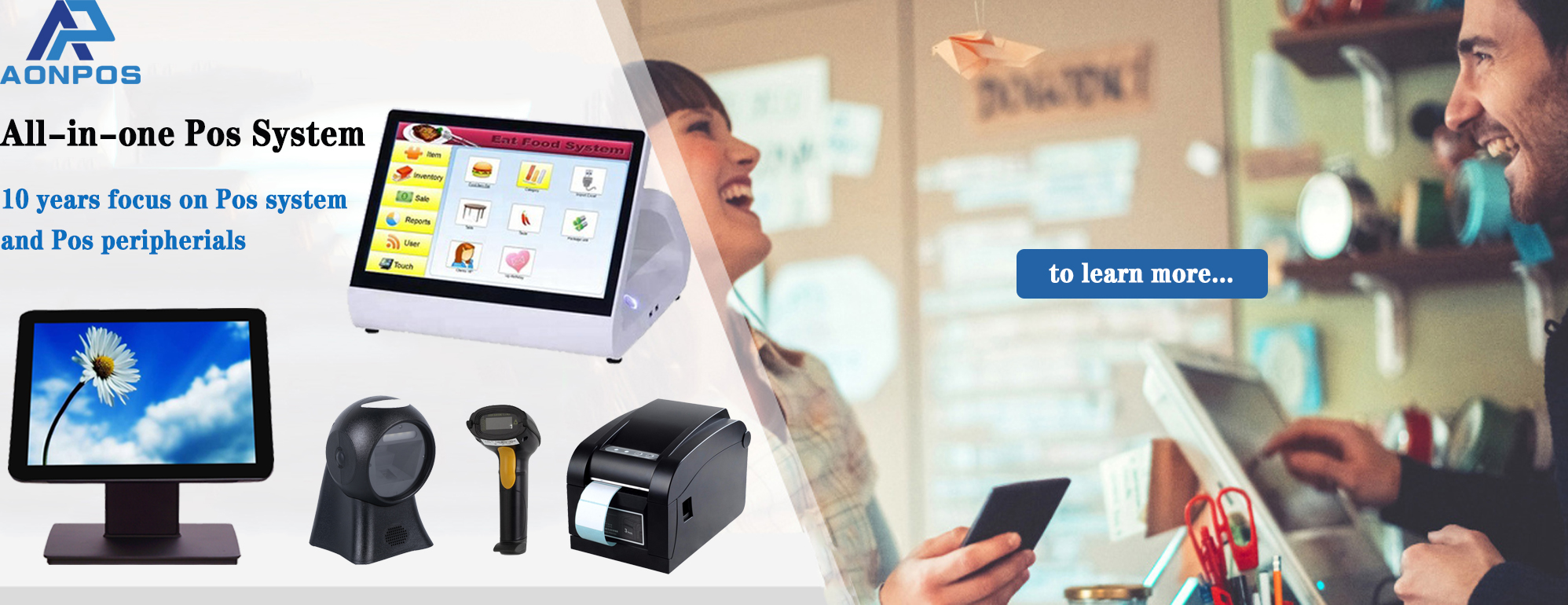
A commercial-grade POS system should provide stable performance, flexible interfaces, and compatibility with mainstream POS software platforms. As an experienced OEM/ODM manufacturer, AONPOS designs hardware specifically for demanding retail environments, supporting Windows and Android platforms with customizable configurations.
3. Look for Powerful Inventory Management
Inventory management is one of the biggest challenges for supermarkets.
A modern supermarket POS system should allow you to:
Monitor inventory in real time
Automatically update stock after every sale
Receive low-stock alerts
Manage suppliers
Track product expiration dates
Support multiple warehouses
Accurate inventory helps reduce shrinkage while improving purchasing decisions.
4. Ensure Fast Checkout Performance
Long queues directly impact customer satisfaction.
A high-performance supermarket POS solution should support:
Instant barcode recognition
Quick product lookup
Multiple payment methods
Fast receipt printing
Stable network connectivity
The combination of responsive POS software and high-performance hardware significantly improves checkout efficiency during busy shopping periods.
5. Choose Expandable Hardware
Your business will likely grow.
Instead of purchasing hardware that only meets today's needs, choose a supermarket POS system capable of future upgrades.
Important expansion options include:
Dual-screen displays
NFC payment modules
Fingerprint login
RFID readers
Customer-facing displays
Self-service kiosk compatibility
Additional USB and serial interfaces
Expandable hardware protects your investment while simplifying future upgrades.
6. Verify Software Compatibility
One common purchasing mistake is selecting hardware that supports only limited software platforms.
Before purchasing, confirm compatibility with:
Windows POS software
Android POS applications
ERP systems
Inventory management software
Membership programs
Payment gateways
Open architecture provides greater flexibility and lowers switching costs if your software requirements change.
7. Focus on Reliability and Durability
Supermarkets are busy environments.
POS equipment must withstand:
Continuous daily operation
Frequent customer interaction
Dust
Minor spills
Constant barcode scanning
High transaction volumes
Commercial-grade components typically provide longer service life and lower maintenance costs than consumer-grade alternatives.
When evaluating suppliers, pay attention to CPU options, SSD storage, cooling design, and industrial touchscreen quality.
8. Consider OEM and ODM Customization
For distributors, wholesalers, and system integrators, customization can provide a competitive advantage.
Many hardware manufacturers now offer:
Logo branding
Customized colors
Interface modifications
Hardware configuration options
Packaging customization
Regional certification support
As an experienced OEM/ODM manufacturer, AONPOS offers flexible customization services for partners worldwide, helping businesses build their own branded POS hardware solutions.
9. Evaluate After-Sales Support
Even the best hardware occasionally requires technical assistance.
Before selecting a supplier, ask about:
Warranty period
Spare parts availability
Technical documentation
Driver downloads
Remote technical support
Product lifecycle
Reliable after-sales service minimizes downtime and protects your investment over the long term.
Recommended Hardware Configuration for Supermarkets
A typical supermarket checkout station includes:
Hardware
Recommendation
POS Terminal
15" or 15.6" capacitive touchscreen
CPU
Intel J4125 / Core i3 / Core i5
Memory
8GB RAM or above
Storage
128GB SSD or higher
Barcode Scanner
1D/2D scanner
Receipt Printer
80mm thermal printer
Cash Drawer
Standard RJ11 cash drawer
Customer Display
Dual-screen display recommended
Businesses operating multiple checkout lanes may also benefit from dual-screen POS terminals, which improve cashier productivity while enhancing the customer experience.
Why Choose AONPOS for Supermarket POS Hardware?
AONPOS specializes in designing and manufacturing commercial POS hardware for retailers, supermarkets, restaurants, and system integrators worldwide.
Key advantages include:
OEM & ODM manufacturing
Windows and Android platforms
Commercial-grade components
Flexible hardware customization
Worldwide export experience
Stable supply chain
Professional technical support
Whether you're sourcing POS terminals for a single supermarket or an international retail project, AONPOS provides scalable hardware solutions designed for long-term performance.
Final Thoughts
Choosing the right supermarket POS system is about more than comparing specifications or prices. The ideal solution should improve checkout efficiency, simplify inventory management, support future expansion, and provide dependable performance for years to come.
By carefully evaluating hardware quality, software compatibility, scalability, and supplier support, supermarkets can build a reliable POS infrastructure that grows alongside their business.
If you're looking for customizable supermarket POS hardware backed by OEM/ODM expertise, AONPOS offers a comprehensive range of professional solutions for retailers worldwide.